
Made for pet lovers by real vets!
Pet Candy delivers streamable, binge-worthy content that’s actually worth your time. Whether you’re a first-time pet parent or a seasoned pro, we’ve got expert-approved videos, inspiring podcasts, and must-read articles that make learning about animals easy, fun, and totally addictive.
Start watching, listening, and loving pet care like never before.

TRENDING TOPICS
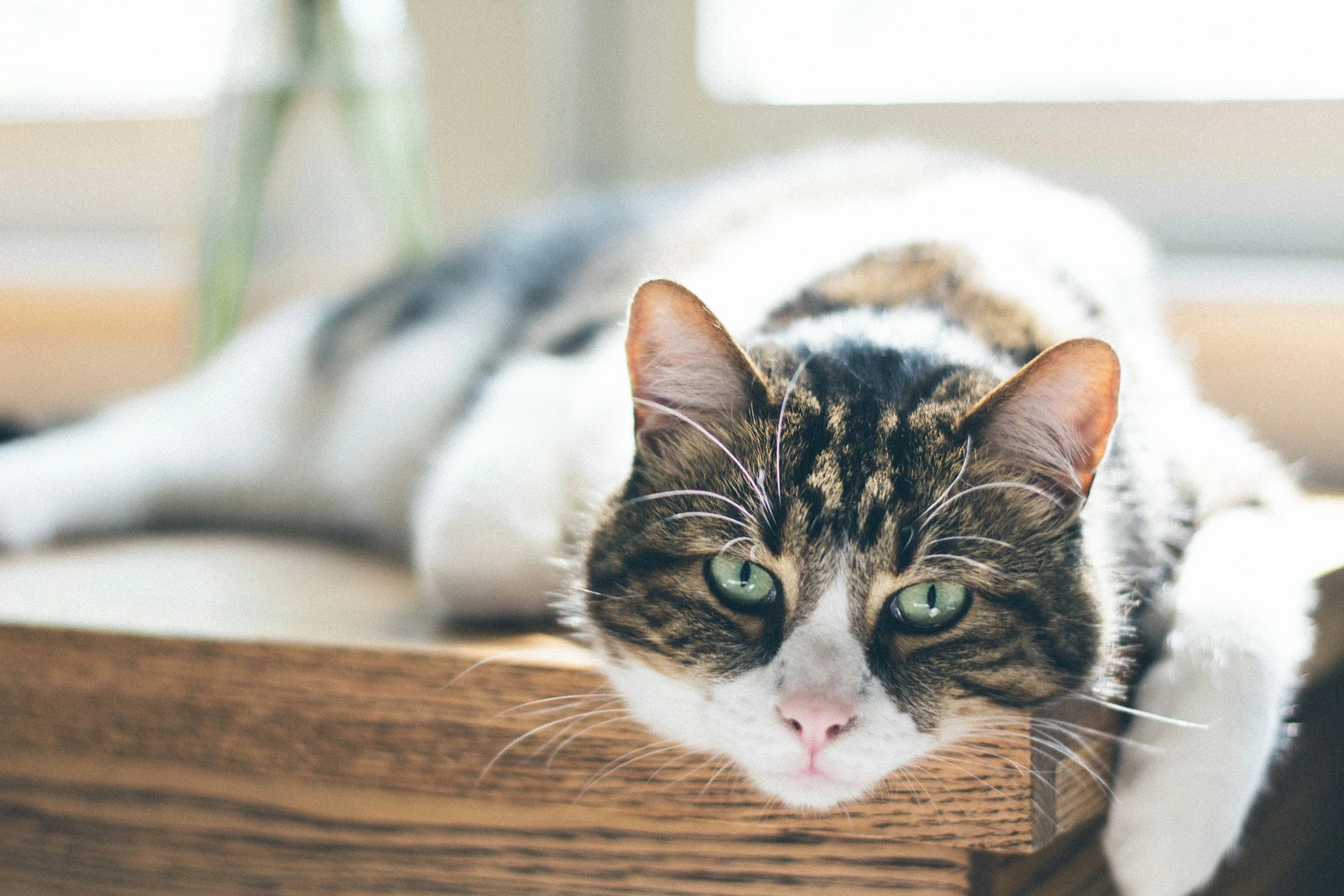
By analysing different types of tumours from almost 500 pet cats across five countries, experts at the Wellcome Sanger Institute, the Ontario Veterinary College in Canada, the University of Bern, and their collaborators, discovered the genetic changes that drive cancer formation in cats and found similarities between these and ones seen in humans.
Think you know cats? Think again. While often seen as mysterious or hard to read, cats are actually expert communicators—especially when interacting with humans.
In the wild, cats rely on body language, scent, and vocalizations to keep peace in colonies, avoiding unnecessary fights. At home, they’ve adapted these skills to communicate with us. Adult cats rarely meow at each other, but they meow frequently at humans, showing they’ve fine-tuned this vocalization specifically for our benefit. Beyond meows, cats and their favorite humans often develop unique “dialects,” a personal language of gestures, sounds, and behaviors.
Curious about why cats sleep so much? Discover the fascinating reasons behind their 16-hour snooze sessions! From energy conservation to hunting instincts, find out why cats are the ultimate nappers. Explore the science of feline sleep and uncover why your furry friend can sleep through anything!
As a cat parent, there's no denying that you love your feline friend—but there’s one behavior that can be a little, well, annoying: scratching. Whether it's your favorite couch, the leg of your dining table, or your brand-new rug, your cat's claws seem to have a mind of their own when it comes to where they want to scratch. But before you pull your hair out (or worse, toss out your furniture), let’s talk about how you can redirect this natural behavior to a more suitable target—the scratching post.
The US is in the midst of a powerful winter storm, with much of the state buried under well over a foot of snow, heavy winds, and bitterly cold temperatures that could linger for days. Officials have declared a state of emergency, imposed travel bans, and urged residents to shelter in place as snowfall rates and single-digit temperatures create harsh conditions.

The U.S. Food and Drug Administration is cautioning pet owners that eight samples of Raaw Energy dog food have tested positive for one or more types of pathogenic (harmful) bacteria, specifically: Listeria monocytogenes (L. monocytogenes), Salmonella, and Campylobacter jejuni. One sample also contained Escherichia coli(E. coli) O157 bacteria, which may be harmful. See the “Product Information” section of this advisory for details on affected date codes and flavors of Raaw Energy dog food.
If you have never heard of New World screwworm, you are not alone. But veterinarians and animal health experts have been keeping a close eye on it, and now pet parents have one more reason to feel prepared rather than panicked.
January is Walk Your Dog Month, but for much of the country, it is also the season of frozen sidewalks, brutal wind chills, and sunsets that arrive before most people leave work. For pet parents, that combination can turn a once dependable daily walk into a logistical and safety challenge. For veterinary professionals, it raises an important question: how do we help clients maintain canine physical and mental health when winter weather makes outdoor activity risky?
If your dog or cat has ever been sick to their stomach, you know how stressful it can be—for them and for you. Vomiting is uncomfortable, upsetting, and sometimes a sign of a more serious health issue. Now, veterinarians have a new tool to help your furry friend feel better faster. Dechra has introduced Emeprev™, an FDA-approved injectable solution that helps prevent and treat vomiting in both dogs and cats.
When most people think of therapy animals, dogs usually steal the spotlight. They visit hospitals, cuddle stressed college students, and brighten long days in care facilities. Cats, on the other hand, are often seen as too independent or aloof for that kind of job. But new research suggests that some cats might actually be perfect for therapy work.
You already know your dog makes your life better. Morning walks feel calmer, bad days feel shorter, and coming home is always a little happier. Now research suggests your dog may also be making your entire neighborhood feel more connected.
Two years ago, Brandon and Lisa Bacon were on a mission. They wanted to find the right horse for their 12 year old son Jackson, who had big dreams of competing in rodeo. Through their work running a horse supply company in Northern California, they were introduced to Ricky, a 13 year old American Quarter Horse gelding with experience as a calm and reliable roping horse.
If you feel like your dog’s treat budget rivals your grocery bill or your cat’s vet visits cost more than your last vacation, you are not imagining it. Rover has released its 2025 True Cost of Pet Parenthood Report, and the numbers confirm what many pet parents already feel in their wallets. The cost of loving a furry family member is rising, and fast.
If your cat has gone from pleasantly plump to full on chonk, you are not alone. Experts estimate that more than half of pet cats worldwide are overweight or obese. Now, a new weight loss drug similar to Ozempic is being tested for cats, and it could change how veterinarians help pets reach a healthier weight. A pet pharmaceutical company called OKAVA Pharmaceuticals recently announced that it has begun early clinical trials of a new drug called OKV 119. The goal is simple but ambitious. Help overweight cats lose weight safely and sustainably, without daily pills or drastic feeding battles.
If you have ever adopted a pet or thought about it, this is one milestone worth celebrating. Hill’s Pet Nutrition has officially helped support 16 million pet adoptions through its Food, Shelter & Love program. That is 16 million dogs and cats who made the journey from shelter life to couch cuddles since the program launched in 2002.
Bringing home a new puppy is equal parts magic and chaos. One minute you are crying over how cute their tiny paws are. The next minute you are Googling “is it normal for puppies to bite everything” at 2 a.m. If you are feeling overwhelmed, you are not alone. Here is a realistic, millennial friendly guide to what to do when you get a new puppy, without the guilt, judgment, or impossible standards.
Pets are family. Anyone who has ever shared their bed, their couch, or their snacks with a dog or cat knows that losing them can feel just as painful as losing a person. Yet for many pet parents, that grief is often minimized or misunderstood. A new free online resource from the University of Guelph’s Ontario Veterinary College is working to change that and it is long overdue.
Illinois public health officials have confirmed a case of rabies in a dog in Chicago. This is the first rabid dog identified in Illinois in more than 30 years, making it a rare but important reminder about rabies prevention and safety.
The holidays are magical. Cozy meals, gift wrapping marathons, kids on the floor with toys, and snacks everywhere you look. For pets, it is basically the Super Bowl of temptation. For pet parents, it can quickly become an emergency trip to the vet.
Christmas morning hits different when you have a pet. The tree is sparkling, wrapping paper is everywhere and your dog or cat is absolutely convinced this entire situation was arranged for their enjoyment. Good news. They are not wrong. With a little planning, you can include your pet in the festivities in ways that are fun, safe and genuinely meaningful. This is how to make Christmas Day magical for the whole family, paws included.
The holiday season is full of excitement, but if you are a pet parent, traveling can quickly turn into a logistical nightmare. Whether you are heading home to visit family or jetting off for a winter getaway, planning ahead is key to making the trip smooth for both you and your pet.
Why are we so obsessed with cats? On this episode of Pet Candy’s Cat Cafe, we count the many, many reasons why!
If you've been paying attention, you've probably noticed something happening: cats are officially taking over. Not just your couch, your keyboard, or that warm spot on your bed—but the entire pet world. In 2025, feline ownership has surged, multi-cat households are the new normal, and cats have once again conquered the internet with viral trends that make us laugh, cry, and wonder why we ever doubted their supremacy.
If you have ever read the ingredient list on commercial cat treats and thought, “What even is this?”, you are not alone. More cat parents are turning to homemade treats as a way to control ingredients, support feline health, and add a little joy to their cat’s daily routine. The good news is that making treats for cats is easier than it sounds, as long as you respect one very important rule. Cats are obligate carnivores.


They turn heads. They headline social feeds. The breeds capturing search interest right now—namely the Maine Coon, Bengal cat and Savannah cat—are not just pets; they’re statements. But with great beauty comes great responsibility.